Water Damage Restoration for East Nashville Homes
Request an estimate today
A wet ceiling, a soaked carpet or a damp crawl space can turn a normal week upside down. If this is happening in East Nashville, you need calm steps and honest numbers. Rollingcooperation Restoration is a referral service that links homeowners with independent local providers. The providers do the work. Below you will find a simple timeline, typical U.S. costs, and a few myths worth dropping.
Why Starting Close to Home Pays Off
When you search for help in East Nashville, a nearby provider has real advantages. Less driving means equipment can arrive sooner, and travel charges tend to be smaller. Many providers can respond quickly, though schedules vary, so always ask.
Local knowledge counts too. Homes across the Greater Nashville area include older mill-era houses with aging pipes and newer subdivisions built on slabs. Many sit on crawl spaces that hold humidity through long, hot summers. A provider who works nearby knows these setups.
Request a callback to check provider availability for your address.
The First Hour: A Short Checklist
What you do early can limit the damage.
- Stop the water at its source, if you can do it safely.
- Keep away from wet outlets, cords and appliances.
- Move furniture, electronics and keepsakes to dry ground.
- Photograph and film the damage before you clean.
- Run a fan only if the room is safe and the power is not at risk.
Save receipts for anything you buy. They may help later if you file a claim.
What a Typical Job Timeline Looks Like
Every job is different, but many follow a similar path.
Day one: assessment and extraction. The provider inspects the home, checks moisture levels and pulls out standing water. This is the water extraction step.
Days two to five: structural drying. Fans and dehumidifiers run while the provider takes readings. Dry it right, and the wood and drywall return to safe levels. Humid weather can stretch this stage.
After drying: cleanup and repair. Wet carpet, pad or drywall may be removed. Then comes rebuilding, which can take days or weeks depending on the damage.
These are general patterns, not promises. Ask each provider for a written schedule.
What Affects the Cost
Think of the bill as a few building blocks: labor, equipment days, materials removed and replaced, and any cleanup of contaminated water.
Typical U.S. ranges can help you plan. Minor damage in a single room often costs from a few hundred dollars up to about $2,500. Several rooms with extraction and drying commonly run $3,000 to $8,000. A flooded basement or large loss with rebuilding can pass $10,000. Your own quote may fall outside these numbers.
A few things push the price up:
- Water from a storm or sewer instead of a clean supply line
- Water that sat for days, which invites mold
- Tight crawl spaces or finished basements that are hard to reach
- Large areas of flooring, insulation or drywall
Get it in writing. A good written quote lists each item and says what is not included. Compare two or three, and ask why any number looks far apart from the rest. Some policies may cover sudden damage, so check your policy before you decide.
Myths vs. Facts
Myth: If the surface looks dry, the job is done. Fact: Water can stay inside walls, under flooring and in insulation. Moisture meters show what your eyes cannot.
Myth: A box fan from the hardware store is enough. Fact: Small fans move air but do not pull moisture out the way commercial dehumidifiers do, especially in humid the Greater Nashville area summers.
Myth: The quote with the smallest number always saves money. Fact: A very low number may leave out drying checks or materials. Compare what is included, not just the total.
Myth: Waiting a few days costs nothing extra. Fact: Delays can let mold start and spread, which can raise the final bill.
Want to talk through your quote? Request a callback to speak with a provider about your situation.
Preventing a Repeat After the Work
Once your home is dry, a few habits can protect it.
- Check hoses on washers and dishwashers, and replace them when they look worn.
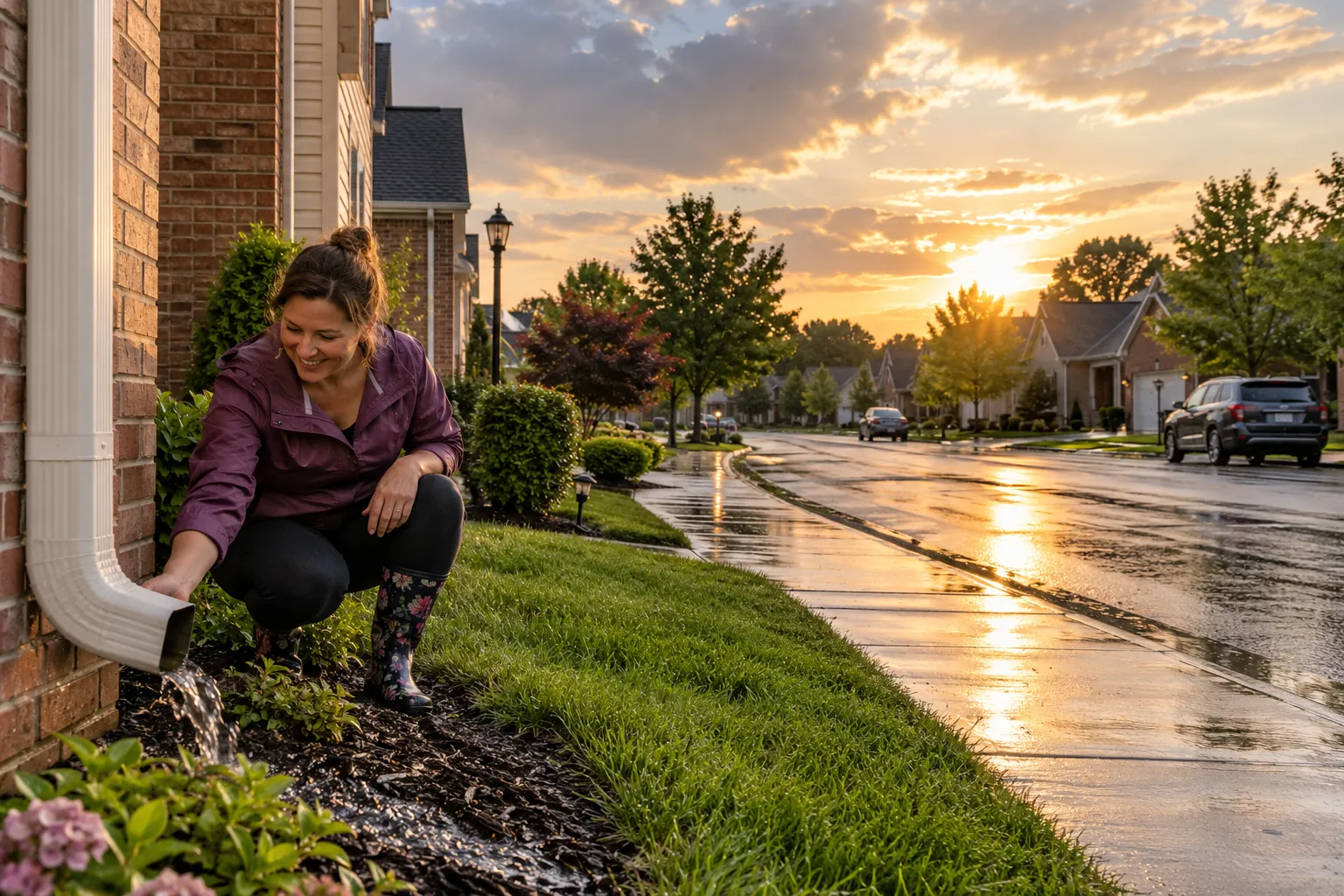
- Keep gutters clear and point downspouts away from the foundation before thunderstorm season.
- Insulate exposed pipes and know where your main shutoff is before winter ice storms.
- Keep crawl space vents and vapor barriers in good shape.
- Run a dehumidifier in damp basements during humid months.
- Think about a water sensor near the water heater and sump pump.
Ask your provider what caused the loss and how to avoid it next time.
Ready to Compare Options in East Nashville?
Sending a request does not lock you in. Rollingcooperation Restoration simply connects you with independent providers so you can compare written quotes and choose what fits your budget.
Our Services in East Nashville
Why East Nashville Chooses Rollingcooperation Restoration
Honest Referral Service, Not a Contractor
Rollingcooperation Restoration connects East Nashville homeowners with independent providers. The provider does the work, and you decide who to hire.
Plain Cost Guidance
We share typical U.S. ranges and the factors behind them, so a quote never feels like a mystery.
Nearby Provider Matches
Providers close to East Nashville may reach your home sooner and carry lower travel charges. Ask about availability.
Weather-Smart Timing Advice
Storm remnants, summer humidity and winter ice can each change drying time. You get practical tips to plan the work around the season.
Start Your East Nashville Estimate
Tell us what happened and where. We will point you to independent local providers so you can compare written quotes, with no obligation.
No obligationWe Serve Other Communities Like East Nashville
Tell us what happened
Tell us what happened and where. We will point you to independent local providers so you can compare written quotes, with no obligation.
No obligation